
“Carrying Love Forward: Staying Connected After Spousal Loss”
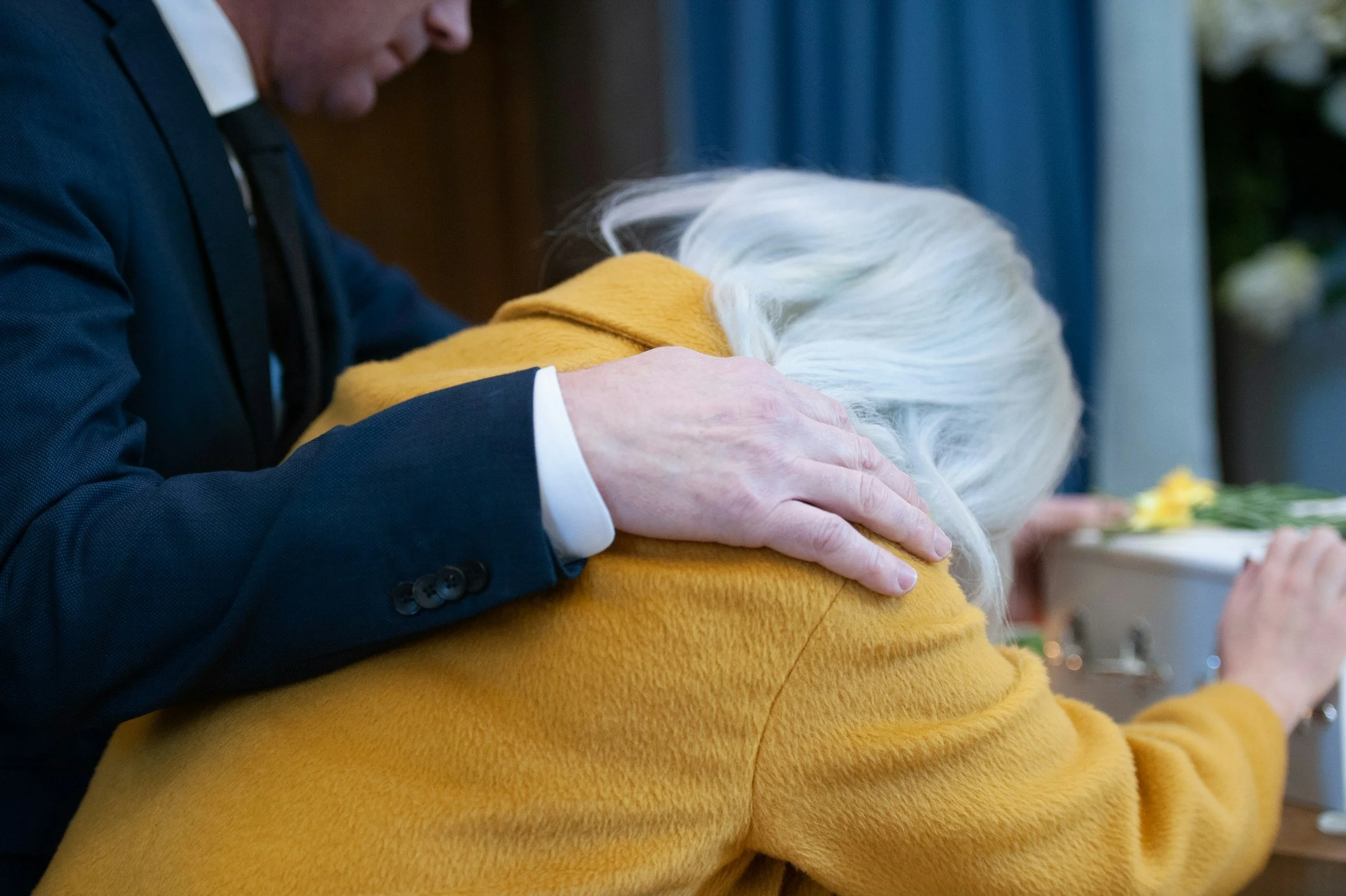
“After loss, you don’t return to who you were. You grow into who you’re becoming—with love still woven in.”
– B.Bell
Grief doesn’t ask us to let go of love. It asks us to learn how to live with it in a new way.
When a spouse or life partner dies, people often describe it as losing their “person.” But the loss is rarely only the person. It’s the loss of a shared rhythm—morning routines, inside jokes, future plans, and the familiar comfort of being known without needing to explain yourself. It’s the loss of we.
And then, quietly, another grief begins: the fear that moving forward means moving away from them.
I hear that fear often:
If I laugh again, am I forgetting?
If I create a new routine, am I replacing what we had?
If I feel okay for a moment, does that mean I didn’t love them enough?
But love doesn’t disappear when someone dies. Love changes form. It becomes something you carry.
Love After Loss Doesn’t Have to Mean “Letting Go”
Our culture often sends messages that unintentionally make grief harder: “You need closure.” “You have to let them go.” “It’s time to move on.”
Even when well‑meaning, these ideas can make a grieving heart feel like it’s failing if it still feels deeply connected.
The truth is: many people stay connected after loss—and that can be healthy. This is known as a continuing bond, and it’s a normal, research‑supported part of grief.
A continued bond might look like:
Talking to them in your mind, in prayer, or out loud
Keeping a small ritual (morning coffee, a walk, lighting a candle)
Carrying something of theirs that anchors you
Making decisions while imagining what they would lovingly want for you
Feeling their presence in memory, music, places, or seasons
This isn’t denial. This is love adapting.
“Carrying Love Forward” Is Not Betrayal
One of the most tender moments in grief is noticing life move again. Maybe it’s the first time you laugh from your belly. The first time you enjoy a meal. The first time you feel peaceful for an entire hour.
Relief arrives—and then guilt follows.
If that’s familiar, hear this gently: Feeling a little lighter does not mean you loved them less. It means your nervous system got a moment to exhale.
Carrying love forward means you stop measuring your love by how much you hurt. You allow love to be what it always was—real, lasting, and worthy of being integrated into your life moving forward.
Who Am I Without “Us”?
Spousal loss often shakes identity. When you’ve been part of a “we” for years—sometimes decades—grief can feel like standing in a world that no longer recognizes you.
You may notice:
Decision‑making feels unfamiliar without them
Everyday tasks feel surreal or pointless
Social spaces feel different as a “single” person
Your future feels blank—not from lack of hope, but because the map changed
This isn’t weakness. This is what happens when love has been woven into daily life.
The question isn’t “How do I get back to who I was?” It becomes: “Who am I becoming now, with love still in my heart?”
A Gentle Way to Begin
If everything feels too big, don’t aim for reinvention. Aim for one small anchor.
A few gentle starting points:
Choose one daily ritual that brings steadiness (tea, a short walk, music)
Give yourself permission to feel two things at once (sadness and relief, longing and gratitude)
Write one sentence each day: “Today I’m carrying…” (love, exhaustion, anger, tenderness)
Let connection be simple: a photo, a candle, a memory, a quiet “I miss you”
Grief doesn’t require you to force growth. It asks for honesty and gentleness.
You Don’t Have to Carry This Alone
If you’re navigating spousal loss, you’re not meant to white‑knuckle your way through it. Support can help you make sense of what you’re feeling, reduce isolation, and find steadier footing—without being rushed.
If this reflection resonates, I’m here. This is the work I hold space for: grief, identity, and learning how to carry love forward—one gentle step at a time.
